
watch
Before You Service Your Rolex, Separate the Repair From the Refinish
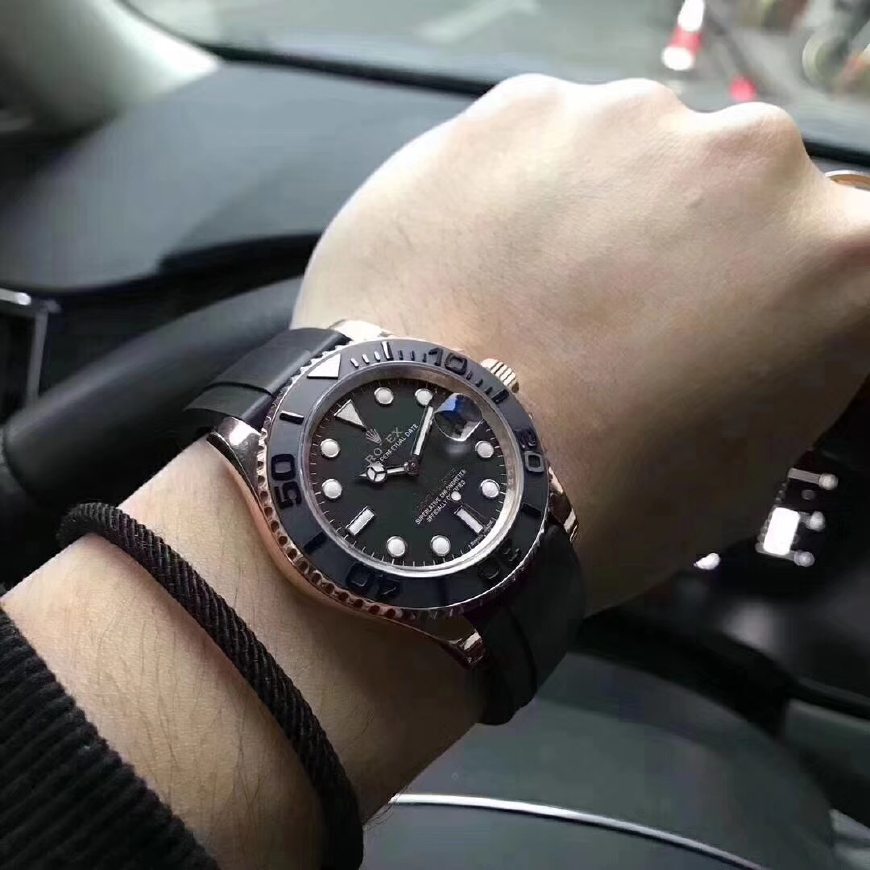
A Rolex owner asks about a crown that has become difficult to operate. Within the same discussion, the advice moves from mechanical servicing to cleaning up the bracelet, and the owner asks whether that would be a bad idea. A repair question has become a question about preserving the watch's appearance.
That exchange appears in a recent r/rolex service discussion. It reveals a useful problem: owners can arrive at the service counter with a clear symptom but an unclear instruction. They want the watch to work properly, yet have not decided what they want changed cosmetically.
Before approving the work, make those decisions separately. A request to investigate a difficult crown should describe the fault. A request about the finish should describe what you want preserved or restored. Neither instruction should have to stand in for the other.
What Rolex's service description actually says
Rolex's U.S. servicing page describes an intake process that records the customer's requests, followed by a watchmaker's assessment and an estimate. Work begins after approval. It describes case and bracelet refinishing as performed "On request."
That wording gives owners a reason to discuss the finish explicitly. It does not establish the price of polishing in the United States, guarantee that every requested repair can be purchased separately, or resolve what a particular watch needs. Those questions belong in the estimate for that watch.
Treat the written estimate as the point where your preferences must become specific. If it includes work you do not understand, ask which items address the reported fault, which are required for the proposed service, and which are cosmetic options. Ask the provider to explain any restriction before you approve it.
Preserving scratches is different from preserving every component
An owner of an inherited Day-Date 18038 reported receiving the watch back with its worn gold surfaces preserved, while the crystal and hands had been replaced and the date adjustment repaired. The owner was pleased that marks associated with their father's use remained. This is a single owner's account, not evidence that every service request will receive the same treatment.
It nevertheless exposes a distinction worth making at intake: "no polishing" does not express a preference about the dial, hands, crystal, or other parts. An owner who wants to retain particular components needs a separate conversation about them.
For an inherited watch, write down what carries meaning before discussing improvements. It might be the visible wear, a particular dial, or the watch's appearance in family photographs. Ask what the proposed work would change and whether those preferences can be accommodated. If the provider cannot meet them, find that out before approving the job.
This does not mean every old component should stay regardless of condition. It means the decision should be informed by both the assessment and the owner's priorities, rather than by an ambiguous instruction to keep the watch original.
Turn a preference into an instruction the workshop can use
In the crown-service discussion, some participants favored retaining the wear, while others valued the refreshed appearance of a serviced watch. Those preferences answer different questions. One owner wants continuity with years of use; another wants a watch that looks renewed.
For your own service request, replace a broad preference such as "keep its character" with a description of the surfaces or components you mean. If you want the bracelet refreshed but the case left alone, ask whether that scope is available and have the answer recorded. Do not assume that an instruction about one includes the other.
Also distinguish a request for assessment from permission to act. Asking whether a marked crystal needs replacement should produce an explanation before it produces a replacement. Ask the provider to identify what is needed for function and what is proposed for appearance, including any conditions attached to accepting a narrower scope. These are questions for the watchmaker examining the watch, not decisions a comment thread can settle.
Put the decision into the intake notes
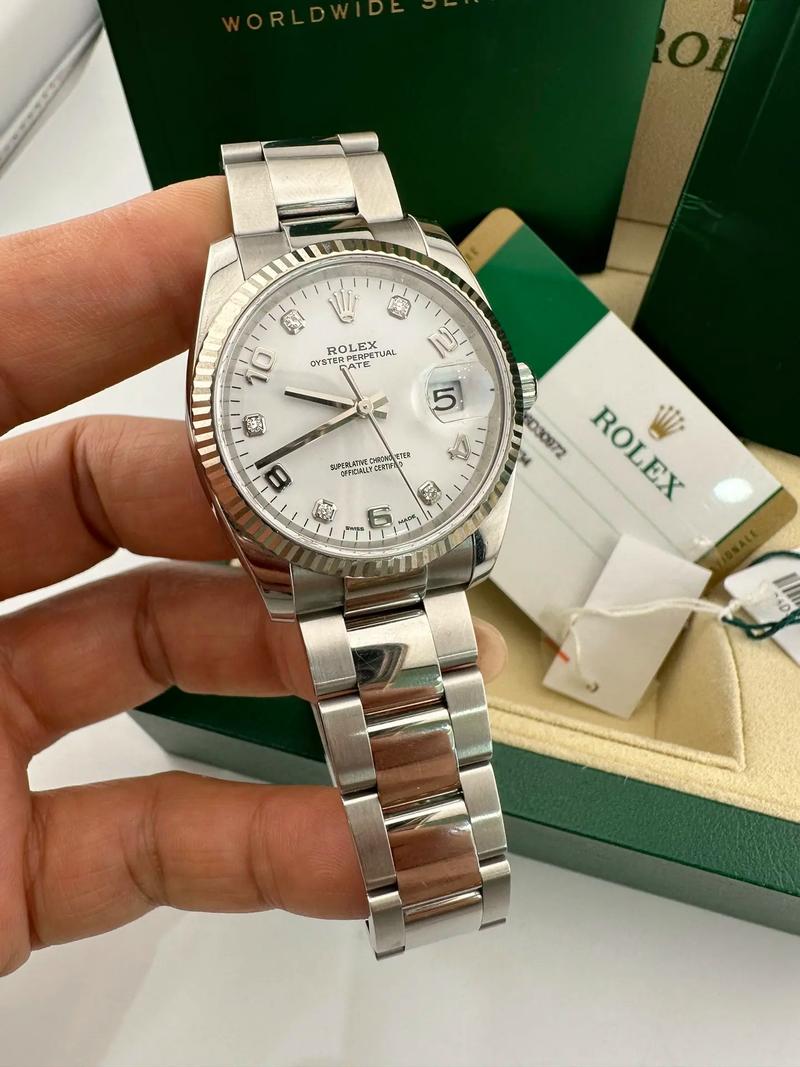
The following wording is a starting point to adapt, not a claim about services Rolex must offer:
Please assess the crown operation and provide a written estimate. Please record that I do not authorize case or bracelet refinishing at this stage. Identify proposed visible-part replacements and explain which work is required for the service you recommend. If my preservation requests cannot be accommodated, contact me before proceeding.
If you want refinishing, replace the second sentence with a request to identify the surfaces involved, the intended result, and the charge. Keep a copy of the accepted instructions and take clear photographs before handing over the watch. At collection, compare the invoice and visible result with what was agreed, and raise any discrepancy promptly.
You do not need to settle the general argument about polished Rolex watches. You need an agreed scope of work for the watch you own, including a clear distinction between the fault you want repaired and the appearance you want to keep or change.

