
Luxury
The Rolex Root Beer Price Problem: What a 126711CHNR Is Really Worth
Sep
Shopping for a Rolex GMT-Master II “Root Beer” ref. 126711CHNR looks straightforward until several listings are open side by side. The watches appear nearly identical, the reference number is the same, and dealer descriptions tend to repeat familiar phrases such as “excellent condition” or “full set.” Yet the asking prices can differ by thousands of dollars.
That spread is easy to dismiss as normal dealer variation, but the Root Beer deserves a closer look because its market has changed. Rolex currently lists the Oystersteel-and-Everose-gold 126711CHNR at $20,050 in the United States, while pre-owned examples can appear around that figure or below it. At the same time, recent owner reports suggest that authorized-dealer availability is no longer uniformly as difficult as it was during the hottest years of the Rolex market.
This creates a more useful question than simply asking whether a particular listing is cheap: how much should you actually save by buying a used Root Beer, and what are you giving up in exchange for that discount?
Answering it requires looking beyond the reference number.
The Root Beer Market Has Changed More Than the Watch
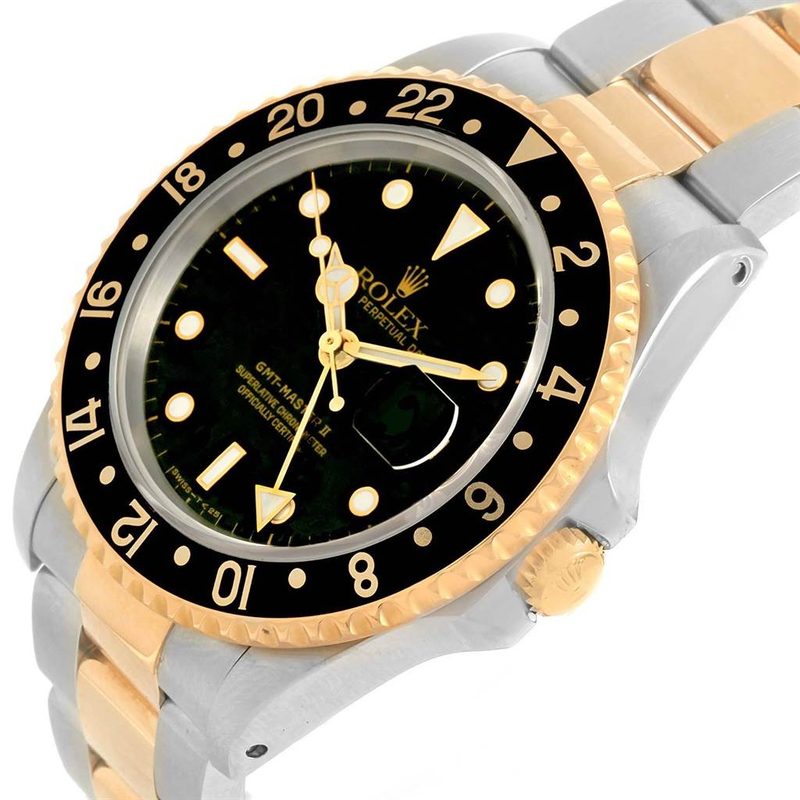
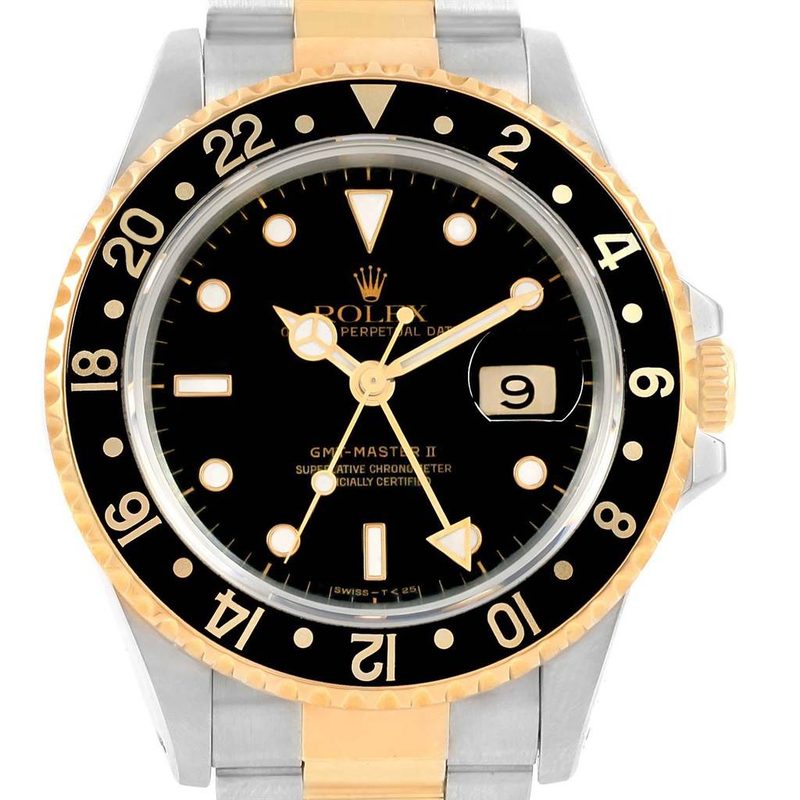
The current 126711CHNR has been part of the Rolex catalog since 2018. Its basic formula remains distinctive: a 40mm Oystersteel and Everose-gold case, black dial, brown-and-black Cerachrom bezel and Oyster bracelet with Everose-gold center links. Inside, Rolex’s caliber 3285 provides an independently adjustable local-hour hand and approximately 70 hours of power reserve.
What has changed considerably is the environment in which people buy it.
During the strongest years of the luxury-watch boom, official retail pricing could become almost theoretical for desirable Rolex Professional models. Knowing what Rolex charged didn’t help much when an authorized dealer couldn’t actually supply the watch, and that lack of availability helped support secondary-market premiums.
Recent owner discussions show a more complicated picture. In 2024, prospective buyers were still reporting situations in which acquiring a Root Beer from an authorized dealer could involve a lengthy relationship or even unwanted purchase expectations. By 2025, other buyers were reporting dramatically shorter waits, including allocations within several weeks.
Individual Reddit experiences obviously aren’t a reliable measure of worldwide Rolex inventory, and availability still varies by dealer and region. They do, however, reveal an important change in the buying calculation. If a customer has a realistic chance of obtaining a new 126711CHNR at retail, a pre-owned dealer is no longer competing only with other secondary-market sellers. The used watch also has to make sense against a brand-new example.
That makes Rolex’s $20,050 retail price far more relevant than it was when availability was the dominant problem.
“Below Retail” Isn’t Enough to Make a Root Beer Cheap
Imagine finding a used 126711CHNR for $18,500. Compared with a $20,050 MSRP, the apparent saving is $1,550 before considering applicable taxes or transaction costs.
Whether that’s attractive depends entirely on the watch.
A recent full-set example with light wear, a complete bracelet, clear ownership history and substantial remaining factory warranty might make that discount worthwhile. An older watch with missing links, extensive refinishing and uncertain service history presents a very different proposition, even though both carry exactly the same reference number.
This is why percentage-below-retail calculations can become misleading. The more useful question is how much compensation you’re receiving for the additional age, wear and uncertainty you’re accepting.
If the secondary-market discount is small, buying new becomes increasingly rational whenever authorized-dealer availability is realistic. As the discount becomes larger, an older or visibly worn example may begin to make sense—provided its condition explains the price rather than concealing additional costs.
Price only becomes meaningful once the watches being compared are genuinely comparable.
The Root Beer’s Appearance Creates Its Own Condition Problem
One reason the 126711CHNR inspires unusually emotional reactions is that its materials behave very differently under changing light. The black dial and dark ceramic bezel restrain the warmer tone of Everose gold, giving the watch a character quite unlike a traditional yellow-gold-and-steel sports Rolex.
Owner discussions repeatedly return to how different the watch can feel in person compared with catalog photography. Some buyers who initially dismissed two-tone watches as too conspicuous have reported finding the Root Beer considerably more restrained on the wrist, while others have gone to a dealer intending to buy a steel Rolex and changed direction after handling the 126711CHNR.
That visual appeal comes with a practical consequence: polished Everose-gold surfaces show wear.
The bracelet’s polished center links and clasp can accumulate fine scratches relatively quickly when the watch is worn normally. For someone buying pre-owned, this creates an important distinction between wear and condition.
A watch with honest surface marks isn’t necessarily in poor condition. Conversely, an older Root Beer that appears completely untouched isn’t automatically superior. It may simply have been worn sparingly, but it may also have been polished before sale.
Those possibilities need to be separated.
Polishing Matters More Than the Dealer’s Condition Grade
Descriptions such as “mint,” “excellent” and “like new” aren’t standardized measurements. Two dealers can use the same word for watches that have received very different levels of refinishing.
With a Root Beer, inspect the case and bracelet rather than relying on the adjective.
The question isn’t merely whether the watch has been polished. A careful professional refinish and repeated aggressive polishing aren’t equivalent. What matters is whether the original geometry remains convincing: the definition of the lugs, transitions between brushed and polished surfaces, bracelet edges and overall consistency of the finishing.
This is particularly important because polishing creates a strange incentive in the pre-owned market. A watch with visible but honest wear can photograph worse than one that has been heavily refinished, even though some experienced buyers may prefer the former.
For someone planning to wear the watch regularly, light surface scratches aren’t necessarily something worth paying a large premium to avoid. The first new scratch on polished Everose gold is eventually going to arrive anyway.
Don’t Forget to Count the Bracelet Links
This sounds like an excessively small detail until a watch arrives and doesn’t fit.
The 126711CHNR uses an Oyster bracelet incorporating solid Everose-gold center links, which means missing bracelet components aren’t merely inconvenient. Replacing precious-metal-containing links can add meaningful expense to what initially appeared to be a bargain.
A dealer photograph doesn’t tell you whether every removed link is included. The bracelet may simply have been sized for the previous owner’s wrist.
For that reason, bracelet completeness deserves to sit alongside box, papers and service history when comparing examples. Check the number of links, clasp condition, obvious bracelet wear and whether the bracelet appears to have been refinished consistently with the case.
A lower purchase price loses some of its appeal when the first thing you need to do is source expensive missing parts.
A 2018 Root Beer and a Recent Example Are Different Purchases
Because the 126711CHNR has been in production since 2018, watches carrying the same reference can now have very different histories.
An early example may have accumulated years of daily wear, previous ownership, servicing or polishing. A much newer example may retain factory warranty, show fewer signs of intervention and offer a more straightforward ownership history.
None of this means the newer watch is automatically better value.
Age should instead be treated as one variable in the price difference. If an older example is several thousand dollars cheaper, has a strong case, complete bracelet and credible history, the discount may easily justify choosing it. If an early watch and a much newer example are separated by only a few hundred dollars, the newer one becomes much harder to ignore.
This sounds obvious, yet online comparisons frequently reduce watches to model reference and asking price. Production year matters because the reference number tells you how Rolex designed the watch; it doesn’t tell you what has happened to that individual example since it left the factory.
Box and Papers Have Value, but Condition Still Comes First
Complete sets usually command attention in the secondary market for good reason. The original warranty card helps document the watch, while boxes, booklets and accessories make the package more complete and can make eventual resale easier.
The mistake is treating completeness as a substitute for condition.
Consider two similarly priced watches. One has every original accessory but has undergone substantial refinishing. The other is missing some peripheral packaging yet retains a sharp case, complete bracelet and convincing original finish.
A collector building a highly complete collection may prefer the first. Someone looking for a watch to wear regularly may reasonably choose the second.
There is no universal answer because the intended ownership experience matters. What doesn’t make sense is paying a substantial “full-set premium” without first deciding whether the watch itself deserves it.
A box cannot restore case geometry.
Search by Reference, Not Just by “Root Beer”
The nickname creates another source of bad price comparisons.
“Root Beer” predates the current 126711CHNR and has been used by collectors for earlier replica Rolex GMT-Master configurations featuring brown tones. The current collection also includes the full Everose-gold 126715CHNR, which shares the black-and-brown bezel but belongs in an entirely different price category.
Rolex itself identifies these watches by their references rather than relying on the nickname.
Someone researching “Rolex Root Beer prices” can therefore encounter results covering watches that aren’t directly comparable. For meaningful pricing research, start with 126711CHNR, then narrow the comparison by production year, condition, completeness, warranty status and seller reputation.
Only after those variables are reasonably aligned does the price spread begin to tell you something useful.
Has the Root Beer Become Less Desirable?
This is where market price and enthusiast interest need to be separated.
The Root Beer doesn’t appear to command the same scarcity-driven excitement associated with the most extreme years of the Rolex market, but a reduction in scarcity doesn’t automatically mean owners have stopped wanting the watch.
The contrast in owner experiences is revealing. Earlier buyers describe difficult authorized-dealer situations and secondary-market premiums, while more recent purchasers sometimes report surprisingly short waits. At the same time, current owners continue to describe the 126711CHNR as a long-term target or dream watch.
Those experiences shouldn’t be converted into a claim that the model is either “easy to get” or universally desirable. Availability is regional, and individual enthusiasm isn’t a demand index.
What they demonstrate is more subtle:
scarcity and desirability aren’t the same thing.
A watch can become easier to obtain without becoming less appealing as an object. In fact, the disappearance of an excessive scarcity premium can make the buying decision healthier because the customer is finally evaluating the watch rather than access to it.
Two-Tone Helps Explain the Price Behavior
The Root Beer also occupies a different market position from steel GMT-Master II references.
Steel Rolex sports watches have enjoyed extraordinary collector demand, whereas two-tone watches traditionally appeal to a narrower and more stylistically divided audience. Some buyers love the contrast of steel and precious metal; others avoid two-tone entirely.
The 126711CHNR complicates that traditional divide because Everose gold, brown ceramic and a black dial create a softer visual combination than conventional yellow Rolesor. This helps explain why some people who normally reject two-tone watches make an exception for the Root Beer.
It doesn’t eliminate the underlying market distinction.
A narrower audience can reduce the intensity of secondary-market competition, which may benefit someone buying today. The same characteristic can matter when selling later because the potential buyer pool may behave differently from that of a highly sought-after steel GMT.
For that reason, the strongest case for buying a Root Beer isn’t an investment argument. It’s that you specifically prefer what the combination of Everose gold and the brown-and-black bezel does to the GMT-Master II design.
The Disappearance of a Premium Isn’t Automatically a Bargain
Historical pricing can distort judgment.
If a watch once traded significantly above retail and can now be found around or below MSRP, it feels cheaper because the comparison point is anchored to the old premium. But yesterday’s speculative price doesn’t establish today’s intrinsic value.
The more useful comparison is what the same money can buy now.
At around $20,000, the Root Beer competes not only with other Rolex references but also with a broad selection of new and pre-owned luxury watches. A buyer can therefore afford to ask a much harder question than “Is this cheaper than it used to be?”
The question is whether the 126711CHNR remains the watch you would choose if scarcity and resale speculation were removed from the decision.
If the answer is yes, a softer market is an advantage. If the answer depends mainly on how far the watch has fallen from a previous high, the supposed bargain deserves more scrutiny.
AD or Pre-Owned? The Gap Decides
Improving availability changes the traditional authorized-dealer-versus-grey-market calculation.
Buying new becomes increasingly attractive when the wait is reasonable and the secondary-market discount is small. You become the first owner, receive the full new-watch experience and eliminate much of the uncertainty surrounding polishing, bracelet completeness and previous use.
Pre-owned becomes more compelling as the price gap grows, particularly when the watch is well preserved and its history is clear.
That means there isn’t a fixed discount at which every used Root Beer becomes a good deal. A nearly new example may justify being close to retail, while a significantly older or refinished watch should normally offer a more convincing financial reason to accept its compromises.
There is also a third option that received far less attention during the peak scarcity years: waiting for a better example.
The 126711CHNR isn’t a limited edition. If neither the authorized-dealer route nor the current secondary-market listings make sense, another opportunity will come along.
When scarcity weakens, patience becomes part of the buyer’s negotiating power.
Three Similar Prices Can Represent Three Very Different Deals
Consider three hypothetical 126711CHNR listings.
The first costs $18,400. It’s an older example, has been polished and is missing bracelet links.
The second is $19,200 with light honest wear, a complete bracelet, original warranty card and clear history.
The third costs $20,000, is considerably newer and shows very little wear.
The first is unquestionably the cheapest.
It isn’t unquestionably the best value.
A buyer planning to wear the watch heavily may prefer the second because someone else has already absorbed the initial depreciation while the watch retains desirable physical condition. Another buyer may decide that the relatively small difference between the second and third examples isn’t enough to justify buying older.
That’s why ranking Root Beer listings by price alone produces poor conclusions. The cheapest watch and the best-priced watch aren’t necessarily the same thing.
What Actually Deserves Attention Before Buying
A sensible evaluation of a pre-owned 126711CHNR should establish the watch’s production period, warranty status, bracelet completeness, case condition and known service history before the asking price becomes the deciding factor.
Pay particular attention to the polished Everose surfaces and the definition of the case. Determine whether visible wear appears consistent with the watch’s age and whether previous refinishing has materially altered its geometry. Confirm that removed bracelet links are included, and consider how much remaining factory warranty matters to you when comparing a recent example with an older one.
Seller reputation also belongs in the calculation. Paying slightly more to a well-established seller can be rational when the alternative involves greater uncertainty about authenticity, return policy, service history or the accuracy of the condition description.
Once those variables are understood, compare the resulting price with both similar pre-owned examples and the cost of purchasing new.
That’s the comparison that matters.
The Root Beer May Be More Interesting Now Than When It Was Harder to Buy
Something unusual happened during the peak luxury replica watch market: scarcity itself became part of a watch’s appeal. A difficult-to-obtain Rolex attracted attention partly because everyone knew it was difficult to obtain, and that attention reinforced the secondary-market premium.
The Root Beer becomes more interesting once that loop weakens.
Without an extreme scarcity premium dominating the conversation, the watch has to justify itself as a watch. For some buyers, polished center links, two-tone styling and a price around $20,000 will immediately rule it out. Others will find that Everose gold changes the personality of the GMT-Master II more successfully than they expected, particularly when combined with the restrained brown-and-black bezel.
Underneath the precious-metal treatment, the 126711CHNR remains a functional GMT-Master II with an independently adjustable local-hour hand, useful travel capability and the modern Rolex construction expected from the reference.
What has changed is the buyer’s position.
You no longer have to assume that obtaining the watch is the victory. You can reject an over-polished example. You can walk away from an incomplete bracelet. You can decide that a small pre-owned discount isn’t enough. You can compare the used price with a realistic retail alternative, and you can wait when neither makes sense.
That is a healthier market for anyone who actually wants to wear the watch.
The most important number attached to a pre-owned Root Beer isn’t how far it has fallen from a previous market peak. It’s the difference between what you’re being asked to pay and what that particular watch actually gives you in return.
The reference number tells you what Rolex made.
The condition tells you what happened afterward.
And in today’s Root Beer market, that difference is where the real value is found.

